Best Batteries in Tennessee (2026)
Verified specs · Humid Subtropical climate adapted · Updated 2026-05-26
Written by Jianlin · 5 min read
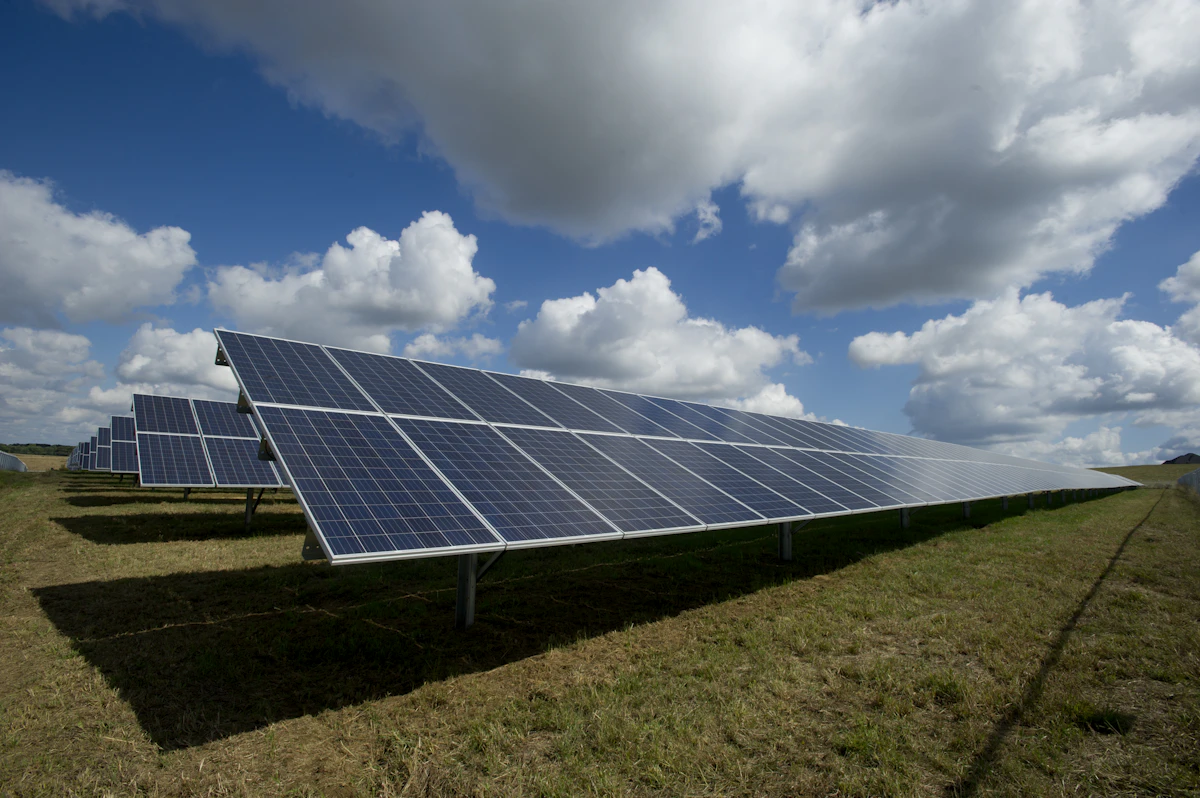
Why Tennessee's climate shapes your battery choice
Battery economics in Tennessee ($0.12/kWh) favor solar + battery vs solar-only when self-consumption exceeds 70%. A 13.5 kWh battery typically pays back in 8-10 years at Tennessee rates, faster if utility moves to TOU pricing or rolls back net metering.
For Tennessee buyers without immediate backup needs, consider starting with a hybrid inverter (SolarEdge Hub, Enphase IQ8+) sized for future battery add-on, rather than installing battery upfront. This keeps Tennessee payback timeline under 9 years for the solar component alone, while preserving the option to add 13.5 kWh of LFP storage when local policies or your usage pattern make the economics undeniable.
Tennessee Solar at a Glance
Batteries for Humid Subtropical Climate
Tennessee's humid subtropical conditions favor Tesla Powerwall 3 (storm backup focused).
- • Top recommendation: Tesla Powerwall 3 (storm backup focused)
- • Estimated system size: 8.5 kW (19 × 450W panels)
- • Estimated installed cost: $25,191 (federal residential ITC was repealed Q1 2026)
- • Annual savings: $1,339/year at current utility rate
Tennessee Solar Incentives
- ✓TVA Green Connect (select)
- ✓Property tax assessment cap
- ✓PACE financing
Federal note: Federal Residential ITC: Repealed (Q1 2026). Commercial Section 48/48E ITC remains 30% through 2032.
Source: DSIRE database (last verified 2026-05). Verify program status and deadlines with each administrator before purchase.

Our Methodology
Every recommendation on this page is based on:
- 1. Manufacturer datasheet verification (URL must return HTTP 200)
- 2. CEC list cross-check (where applicable)
- 3. State-specific climate adaptation (snow / wind / heat load)
- 4. Local utility rate from EIA (2025 averages)
We earn no commission from manufacturers. Our self-audit (Patina) score is publicly displayed on our methodology page.