Best Inverters in Florida (2026)
Verified specs · Subtropical (hurricane-prone) climate adapted · Updated 2026-05-26
Written by Jianlin · 5 min read
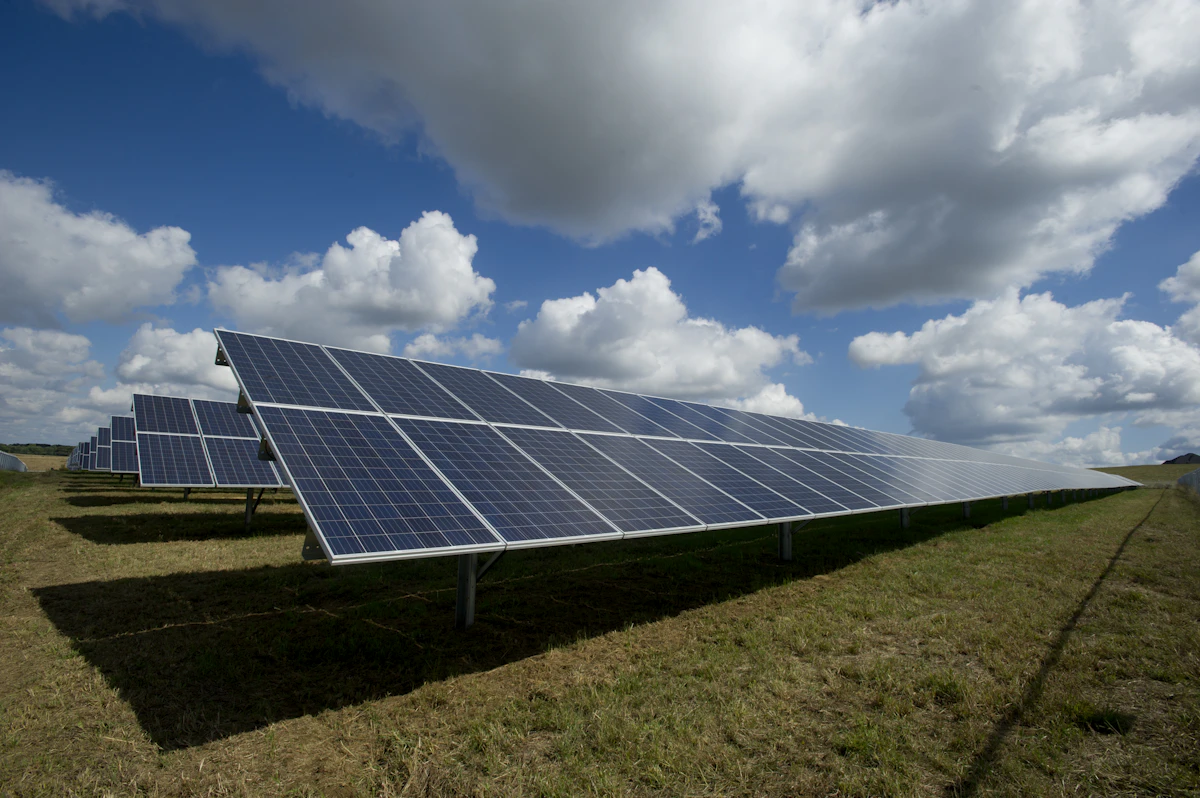
Why Florida's climate shapes your inverter choice
Florida inverter installations face subtropical (hurricane-prone) risks. Outdoor inverter ratings should be IP65 or higher, with conformal-coated PCBs for saltwater air. Microinverters (Enphase IQ8, Hoymiles HMS) reduce single-point-of-failure risk vs central string inverters during storm damage — losing one microinverter loses one panel, not the whole array.
For Florida, prioritize microinverters or hybrid inverters with battery backup capability — when Florida's grid drops during storms, you lose solar generation unless you have islanding. Top picks: Enphase IQ8+ (microinverter, partial island), SolarEdge Hub Hybrid (string + battery backup). At $0.14/kWh, the resilience premium is paid back within a single multi-day outage.
Florida Solar at a Glance
Inverters for Subtropical (hurricane-prone) Climate
Florida's subtropical (hurricane-prone) conditions favor Enphase IQ8 microinverters (per-panel resilience).
- • Top recommendation: Enphase IQ8 microinverters (per-panel resilience)
- • Estimated system size: 7.4 kW (17 × 450W panels)
- • Estimated installed cost: $21,578 (federal residential ITC was repealed Q1 2026)
- • Annual savings: $1,544/year at current utility rate
Florida Solar Incentives
- ✓Property tax exemption
- ✓Sales tax exemption
- ✓Net metering 1:1
Federal note: Federal Residential ITC: Repealed (Q1 2026). Commercial Section 48/48E ITC remains 30% through 2032.
Source: DSIRE database (last verified 2026-05). Verify program status and deadlines with each administrator before purchase.

Our Methodology
Every recommendation on this page is based on:
- 1. Manufacturer datasheet verification (URL must return HTTP 200)
- 2. CEC list cross-check (where applicable)
- 3. State-specific climate adaptation (snow / wind / heat load)
- 4. Local utility rate from EIA (2025 averages)
We earn no commission from manufacturers. Our self-audit (Patina) score is publicly displayed on our methodology page.