Best Inverters in New York (2026)
Verified specs · Continental (snowy) climate adapted · Updated 2026-05-26
Written by Jianlin · 5 min read
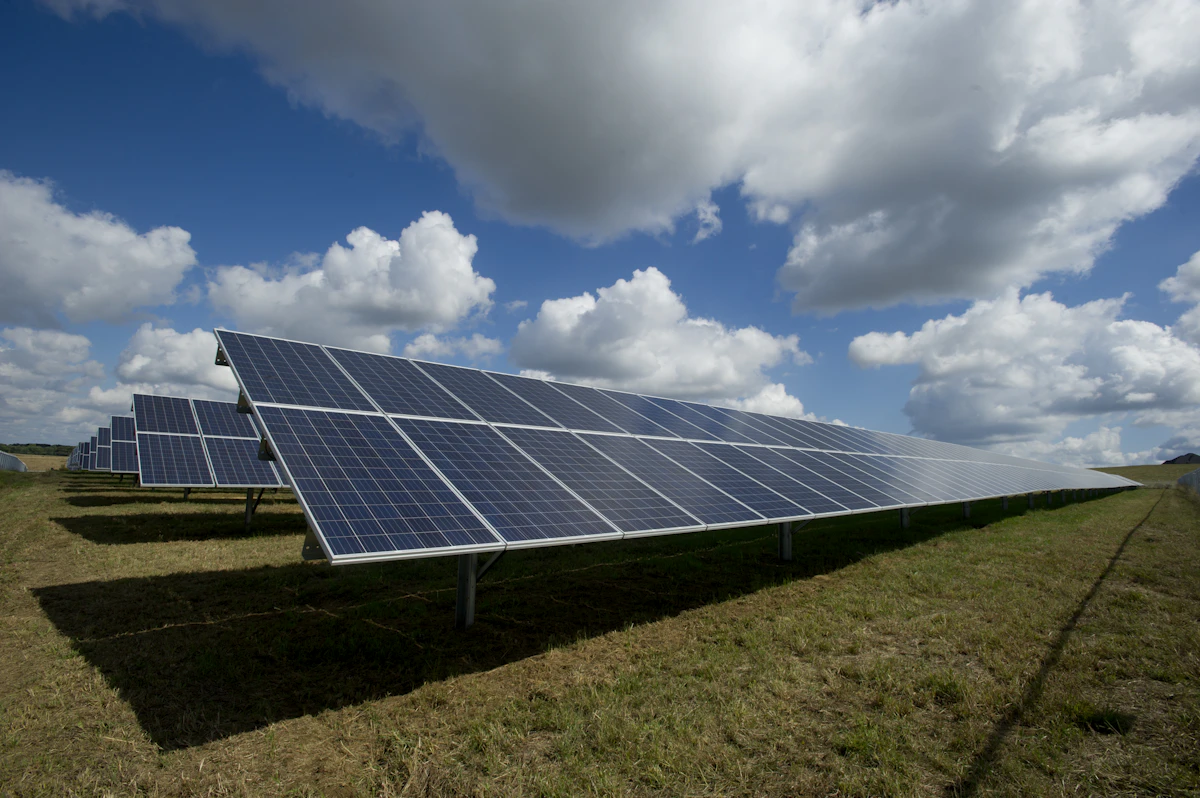
Why New York's climate shapes your inverter choice
New York's high $0.22/kWh utility rate makes inverter efficiency directly translate to bottom-line savings. A 97.5% peak efficiency inverter (Enphase IQ8M) vs a 96% commodity inverter saves roughly $981 over 25 years on a typical 8 kW system.
Microinverters also offer per-panel monitoring — invaluable for New York homeowners managing high-stakes investments where a single failed panel could mean $200+/year in lost generation at local rates. Top picks for New York: Enphase IQ8M, SolarEdge SE-H (string + DC optimizer), Hoymiles HMS-2000 (budget microinverter). With 3.8h peak sun, New York's economics also favor hybrid topology so battery can be added in phase 2.
New York Solar at a Glance
Inverters for Continental (snowy) Climate
New York's continental (snowy) conditions favor Enphase IQ8 (cold-start performance).
- • Top recommendation: Enphase IQ8 (cold-start performance)
- • Estimated system size: 10.1 kW (23 × 450W panels)
- • Estimated installed cost: $34,585 (federal residential ITC was repealed Q1 2026)
- • Annual savings: $2,354/year at current utility rate
New York Solar Incentives
- ✓NY-Sun Initiative rebate
- ✓25% state tax credit (cap $5000)
- ✓Property + sales tax exemption
Federal note: Federal Residential ITC: Repealed (Q1 2026). Commercial Section 48/48E ITC remains 30% through 2032.
Source: DSIRE database (last verified 2026-05). Verify program status and deadlines with each administrator before purchase.

Our Methodology
Every recommendation on this page is based on:
- 1. Manufacturer datasheet verification (URL must return HTTP 200)
- 2. CEC list cross-check (where applicable)
- 3. State-specific climate adaptation (snow / wind / heat load)
- 4. Local utility rate from EIA (2025 averages)
We earn no commission from manufacturers. Our self-audit (Patina) score is publicly displayed on our methodology page.