Best Solar Panels in Alaska (2026)
Verified specs · Subarctic (long winters) climate adapted · Updated 2026-05-26
Written by Jianlin · 5 min read
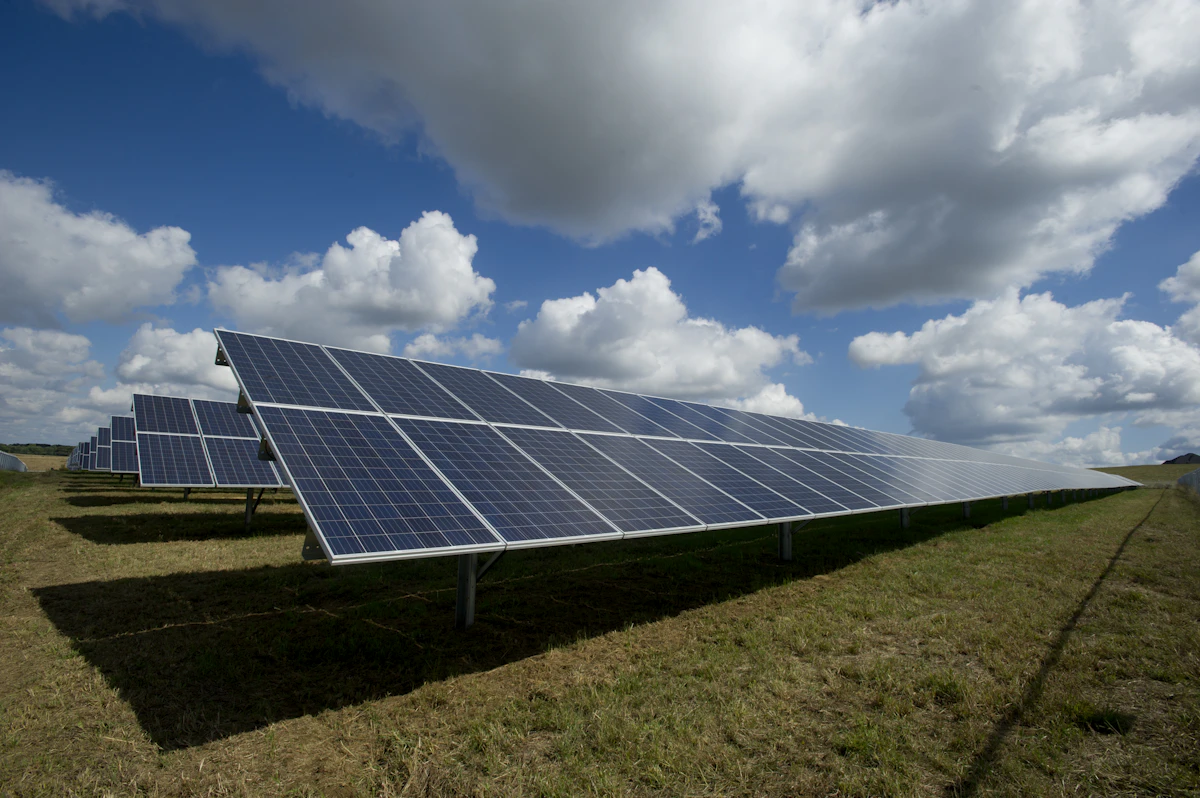
Why Alaska's climate shapes your solar panel choice
Alaska's 2.8h daily peak sun is lower than the US average, but Alaska panels operate in cold ambient temperatures (-20 to +20 C typical), which actually increases panel output 5-10% above STC rating. The bigger challenge is snow load.
Look for panels rated 5400 Pa front load (snow). Alaska-specific picks: REC Alpha Pure-RX (5400 Pa), Canadian Solar HiKu7. Bifacial panels can also catch albedo reflection from snow, adding 5-10% winter yield — consider Trina Solar Vertex S+ or LONGi Hi-MO 7 Bifacial. For Alaska roofs, 30-40 degree tilt sheds snow naturally and avoids needing manual clearing.
Alaska Solar at a Glance
Solar Panels for Subarctic (long winters) Climate
Alaska's subarctic (long winters) conditions favor JinkoSolar Tiger Neo.
- • Top recommendation: JinkoSolar Tiger Neo
- • Estimated system size: 13.7 kW (31 × 450W panels)
- • Estimated installed cost: $56,269 (federal residential ITC was repealed Q1 2026)
- • Annual savings: $2,506/year at current utility rate
Alaska Solar Incentives
- ✓Renewable Energy Fund grants
- ✓Power Cost Equalization (remote)
- ✓Net metering (limited utilities)
Federal note: Federal Residential ITC: Repealed (Q1 2026). Commercial Section 48/48E ITC remains 30% through 2032.
Source: DSIRE database (last verified 2026-05). Verify program status and deadlines with each administrator before purchase.

Our Methodology
Every recommendation on this page is based on:
- 1. Manufacturer datasheet verification (URL must return HTTP 200)
- 2. CEC list cross-check (where applicable)
- 3. State-specific climate adaptation (snow / wind / heat load)
- 4. Local utility rate from EIA (2025 averages)
We earn no commission from manufacturers. Our self-audit (Patina) score is publicly displayed on our methodology page.