Best Solar Panels in Kentucky (2026)
Verified specs · Humid Subtropical climate adapted · Updated 2026-05-26
Written by Jianlin · 5 min read
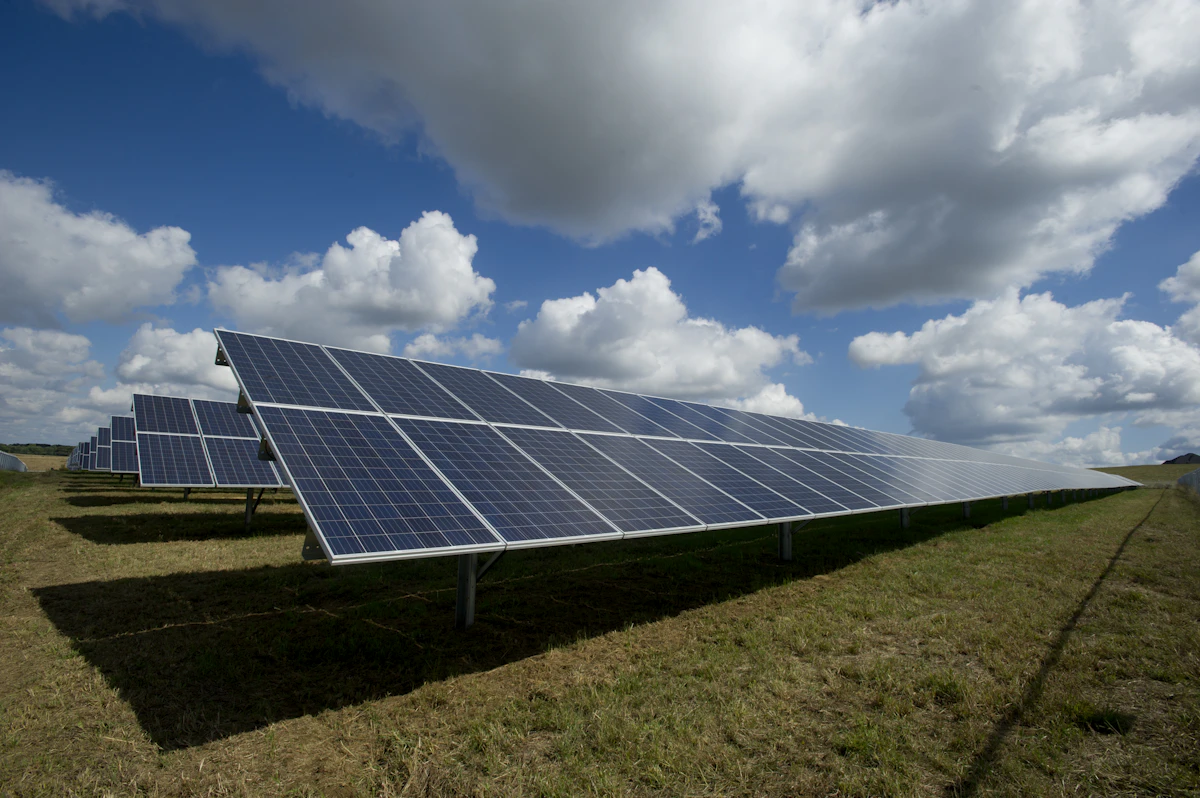
Why Kentucky's climate shapes your solar panel choice
Kentucky's 4.3h daily peak sun is among the highest in the US, but heat is also the enemy of panel efficiency. Every panel loses ~0.3-0.4% efficiency per degree C above 25 C ambient — meaning a typical panel rated at 22% drops to 19-20% real-world output during Kentucky summers.
For Kentucky, prioritize panels with temp coefficient at or below -0.30%/C. Top picks in this range: REC Alpha Pure-RX, Q.CELLS Q.TRON, Maxeon 7. The 2-3% efficiency edge over commodity panels pays back roughly $74 over 25 years on a typical 8 kW system at Kentucky's $0.12/kWh utility rate.
Kentucky Solar at a Glance
Solar Panels for Humid Subtropical Climate
Kentucky's humid subtropical conditions favor REC Alpha Pure-RX (5400Pa wind load).
- • Top recommendation: REC Alpha Pure-RX (5400Pa wind load)
- • Estimated system size: 8.9 kW (20 × 450W panels)
- • Estimated installed cost: $25,469 (federal residential ITC was repealed Q1 2026)
- • Annual savings: $1,339/year at current utility rate
Kentucky Solar Incentives
- ✓Net metering 1:1 (capped 1% utility)
- ✓Solar Access Rights
- ✓PACE financing
Federal note: Federal Residential ITC: Repealed (Q1 2026). Commercial Section 48/48E ITC remains 30% through 2032.
Source: DSIRE database (last verified 2026-05). Verify program status and deadlines with each administrator before purchase.

Our Methodology
Every recommendation on this page is based on:
- 1. Manufacturer datasheet verification (URL must return HTTP 200)
- 2. CEC list cross-check (where applicable)
- 3. State-specific climate adaptation (snow / wind / heat load)
- 4. Local utility rate from EIA (2025 averages)
We earn no commission from manufacturers. Our self-audit (Patina) score is publicly displayed on our methodology page.