Best Solar Panels in Rhode Island (2026)
Verified specs · Continental (coastal) climate adapted · Updated 2026-05-26
Written by Jianlin · 5 min read
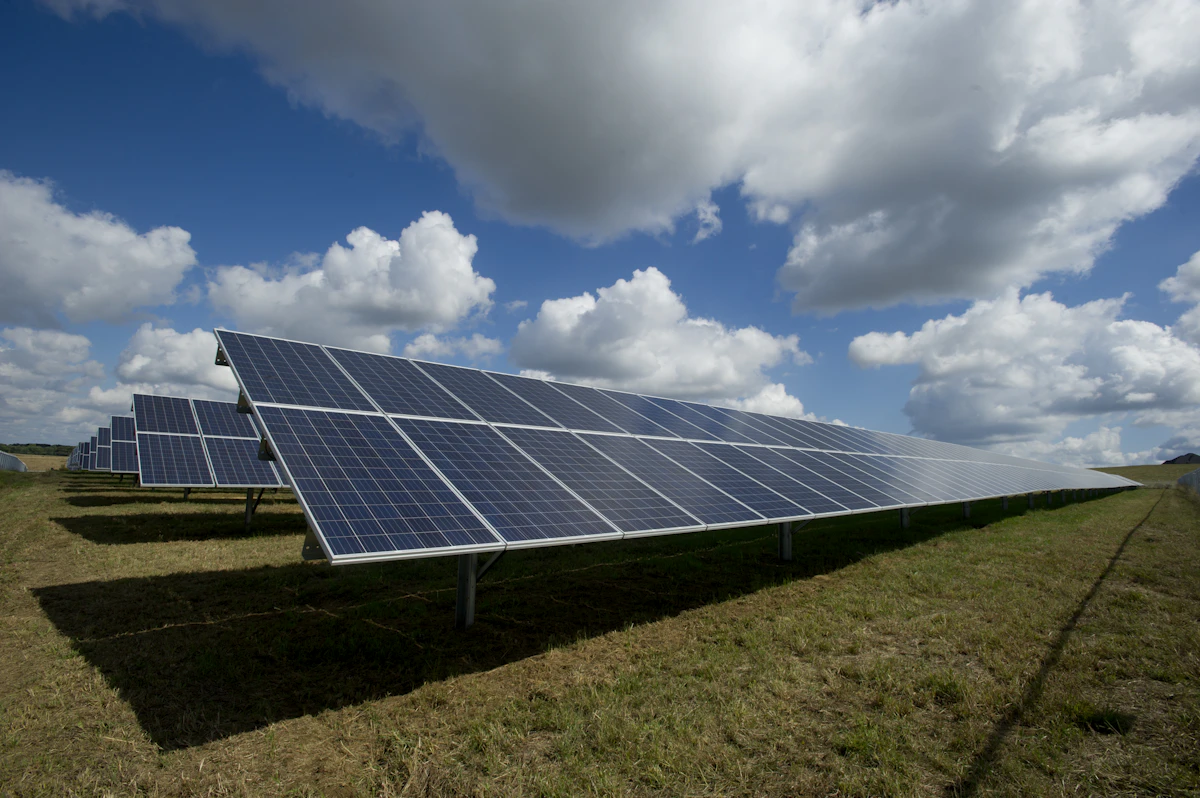
Why Rhode Island's climate shapes your solar panel choice
Rhode Island's 4.1h daily peak sun is lower than the US average, but Rhode Island panels operate in cold ambient temperatures (-20 to +20 C typical), which actually increases panel output 5-10% above STC rating. The bigger challenge is snow load.
Look for panels rated 5400 Pa front load (snow). Rhode Island-specific picks: REC Alpha Pure-RX (5400 Pa), Canadian Solar HiKu7. Bifacial panels can also catch albedo reflection from snow, adding 5-10% winter yield — consider Trina Solar Vertex S+ or LONGi Hi-MO 7 Bifacial. For Rhode Island roofs, 30-40 degree tilt sheds snow naturally and avoids needing manual clearing.
Rhode Island Solar at a Glance
Solar Panels for Continental (coastal) Climate
Rhode Island's continental (coastal) conditions favor Canadian Solar HiKu7 (snow rated).
- • Top recommendation: Canadian Solar HiKu7 (snow rated)
- • Estimated system size: 9.4 kW (21 × 450W panels)
- • Estimated installed cost: $30,929 (federal residential ITC was repealed Q1 2026)
- • Annual savings: $2,970/year at current utility rate
Rhode Island Solar Incentives
- ✓Renewable Energy Growth (REG) program
- ✓Sales + property tax exemption
- ✓Net metering 1:1
Federal note: Federal Residential ITC: Repealed (Q1 2026). Commercial Section 48/48E ITC remains 30% through 2032.
Source: DSIRE database (last verified 2026-05). Verify program status and deadlines with each administrator before purchase.

Our Methodology
Every recommendation on this page is based on:
- 1. Manufacturer datasheet verification (URL must return HTTP 200)
- 2. CEC list cross-check (where applicable)
- 3. State-specific climate adaptation (snow / wind / heat load)
- 4. Local utility rate from EIA (2025 averages)
We earn no commission from manufacturers. Our self-audit (Patina) score is publicly displayed on our methodology page.